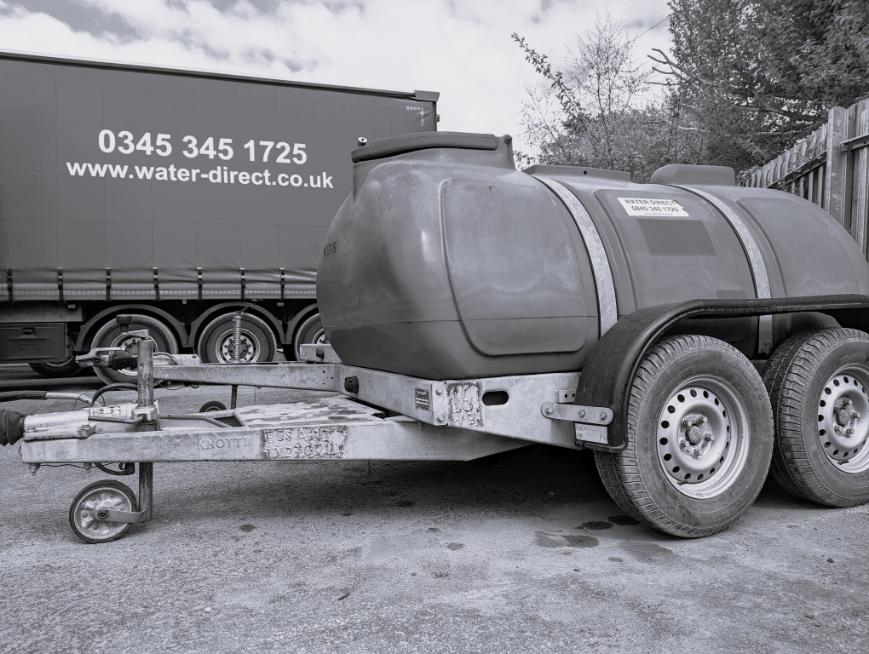
Benefits of Towable Water Bowsers for Temporary Water Supply
Access to reliable water is essential for many sectors where operations cannot rely solely on mains supply. Towable water bowsers provide a mobile, flexible solution for temporary water needs. Also known as water bowser trailers or towable water tanks, these units are designed to carry potable water safely and hygienically. Their versatility makes them suitable for a wide range of applications, including manufacturing, engineering, data centres, critical national infrastructure (CNI), and other sites requiring temporary or supplemental water supply.
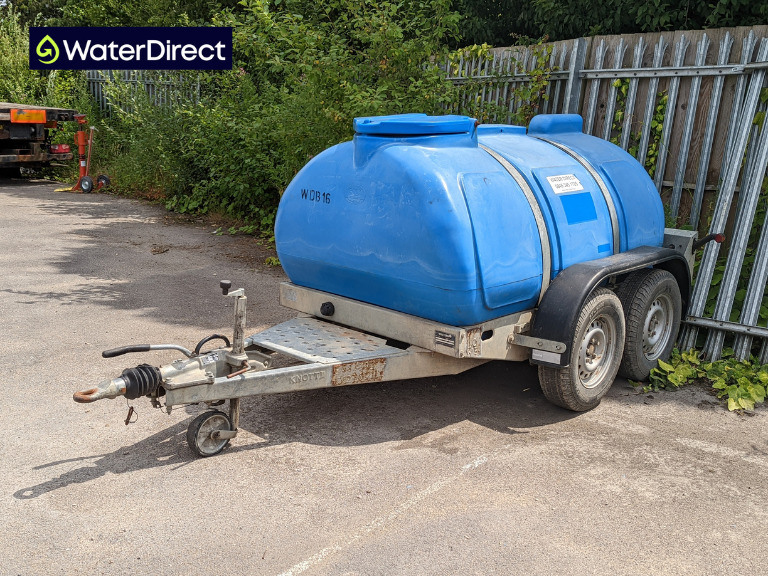
A towable water bowser is a mobile tank mounted on a trailer that can be transported easily to different locations. Available in a range of sizes, it is designed to carry potable water for drinking, handwashing, and welfare facilities. Their mobility and flexibility make them particularly valuable in sectors where temporary or remote water access is required.
Key Benefits of Towable Water Bowsers
1. Flexibility and Mobility
Unlike static water tanks, towable water bowsers can be moved quickly and positioned wherever needed. On manufacturing or engineering sites, bowsers can follow the workflow, supplying water to different areas as processes progress. In data centres or critical infrastructure sites, they ensure emergency water supply or supplemental capacity is delivered exactly where it is needed.
2. Designed for Safe, Clean Drinking Water
Towable water bowsers supplied by Water Direct are purpose-built for safe drinking water. Each unit is hygienically maintained, WRAS-approved, and suitable for providing hydration and welfare facilities on temporary or remote sites. This ensures all operations have access to potable water that meets health and safety standards.
3. Support for Health and Safety Compliance
Access to safe drinking water and welfare facilities is essential for compliance across multiple sectors. Workers in manufacturing, engineering, and CNI operations must have access to clean water to meet health and safety requirements. Using potable water bowsers ensures temporary water needs are met while maintaining hygiene and operational standards.
4. Rapid Deployment in Emergencies
Towable bowsers can be delivered and set up quickly, offering an immediate emergency water supply during unexpected water supply interruptions. Their mobility allows water to reach the precise location needed, complementing larger temporary storage solutions such as static tanks or Aqubes.
Applications of Towable Water Bowsers
Towable water bowsers are used across a variety of sectors to support welfare, hygiene, and operational requirements. They are particularly valuable where temporary water supply is needed or additional capacity is required to complement existing mains connections.
Manufacturing & Engineering
- Supplying potable water for welfare and hygiene facilities.
- Supporting process operations where mains supply is limited.
- Supplementing water supply during maintenance, peak demand, or temporary expansions.
Data Centres
- Providing emergency water for cooling systems.
- Supporting continuity of operations during planned or unplanned mains interruptions.
Critical National Infrastructure (CNI)
- Temporary water supply for essential services during maintenance or upgrades.
- Supporting operational resilience and continuity of critical operations.
Events
- Providing potable water for visitors and temporary welfare units.
- Emergency backup in case of mains water failure.
Construction
- Supply welfare units or handwashing facilities.
- Useful where temporary water is needed for specific tasks.
Other Sites with Temporary Water Needs
- Facilities not yet connected to mains water.
- Supplementing existing water supply to meet increased operational demand.
Water Direct’s towable water bowsers, with capacities up to 2,000 litres, are ideal for supplying potable water across manufacturing sites. Their mobility allows them to follow workflows, supporting welfare facilities, process operations, and temporary or peak demand requirements, even on sites with restricted access.
Compliance and Safety Considerations
Towable water bowsers for drinking water must meet strict hygiene and quality standards. Tanks should be WRAS-approved, thoroughly cleaned, and disinfected before use to prevent contamination. Operators should also follow best practices for safe water handling, including regular testing and secure delivery methods. These measures are particularly important in manufacturing, data centres, and critical infrastructure sectors, where water safety is critical for operational continuity and regulatory compliance.
Conclusion
The benefits of towable water bowsers make them an essential solution for different sectors across the UK. Their mobility, hygiene standards, and rapid deployment capabilities make them suitable for manufacturing, engineering, data centres, critical infrastructure, and any facility requiring temporary or supplemental water. By providing safe water wherever mains supply is unavailable or additional water is needed, towable bowsers remain a practical component of temporary water management.
FAQs
What are towable water bowsers used for?
Towable water bowsers are mobile tanks used to supply potable water for temporary welfare, hygiene, and operational needs across manufacturing, data centres, critical infrastructure, and other sites with temporary water requirements.
Can towable water bowsers carry drinking water?
Yes. Potable towable bowsers are designed specifically for drinking water. They are WRAS-approved and meet hygiene standards required for safe human consumption.
Are towable bowsers suitable for emergency situations?
Yes. They can be delivered quickly and set up where water is urgently needed, making them ideal for emergency water supply.
Share:
Related
Risk map your water resilience
19 Feb 26

From Risk Assessment to Action
13 Feb 26