


New vision for water targets improved resilience – but is it enough?
The Government has revealed its action plan to reform the water sector through its white paper – A New Vision for Water.
It lays out a raft of reforms that shine a light on all areas of the industry, including regulatory reform, a greater focus on ageing infrastructure with MOT style checks and simplifying planning requirements for water companies.
In short, the desired outcomes from the new paper are:
- Improved long term stability of the sector
- A powerful new regulator delivering improved financial resilience, asset health, and environmental performance
- A more attractive and reliable sector for investors
- Prioritised and enhanced customer protection
- Cleaner rivers, lakes and seas
- Long term growth and water security
Crucially, there is also a focus on improving water security and resilience and a pledge to develop statutory resilience standards to make sure all companies make forward-looking long-term assessments to their systems.
Why is this important?
The resilience challenge is not theoretical. The long-term supply-demand balance is tightening – interruptions are increasing and research has shown a decrease in supply to the growing demand. Climate change, ageing infrastructure and long-term gaps in investment are impacting the UK’s access to reliable water supplies, highlighted by recent water outages in Kent and Sussex.
Without action, by 2055, it is estimated that there will be a shortfall of 5 billion litres a day in England for domestic customers with an additional 1 billion litres a day for commercial and business customers.
For businesses, outages can be costly in terms of finance, regulation or reputation. Utilities do not have to prioritise businesses during an outage and any compensation during does not cover loss of revenue, downtime or footfall. For some businesses this can be up to £50,000 an hour, but can be much more for other industries.
The Government’s proposed measures involve:
- New infrastructure: Building nine new reservoirs (the first in more than 30 years).
- Leakage reduction: Injecting £700m of investment in water leakage reduction over five years to progress towards the target of halving leakage by 2050.
- Better understanding of asset health: Developing a a fuller picture of asset conditions and forward-looking asset heath metrics.
- Stronger oversight of third-party works and statutory obligations on contractors: Including proposed powers to take enforcement action directly against contractors and other third parties working on water supply assets or operating them on behalf of water companies.
- More joined-up planning and delivery: Working with the new regulator to ensure critical infrastructure gets the funding it needs.
This overview of the asset base, leading to new statutory resilience standards is considered a key tool in ensuring the water industry is resilient to unexpected events or vulnerabilities and address regional challenges by implementing an established standard.
Is this enough to make change?
The reforms are aimed at tackling the long-standing problems the sector has faced and aims to put the water sector on a path that reliably delivers for everyone and drives economic growth across the country with a resilient infrastructure that is “fit for the future.”
And this is a meaningful step: the direction of travel — stronger oversight, stronger resilience standards across the whole system, and long-term investment — is hard to argue with. The white paper also signals a shift away from reactive fixes towards earlier intervention, with more engineering capability inside the regulatory system.
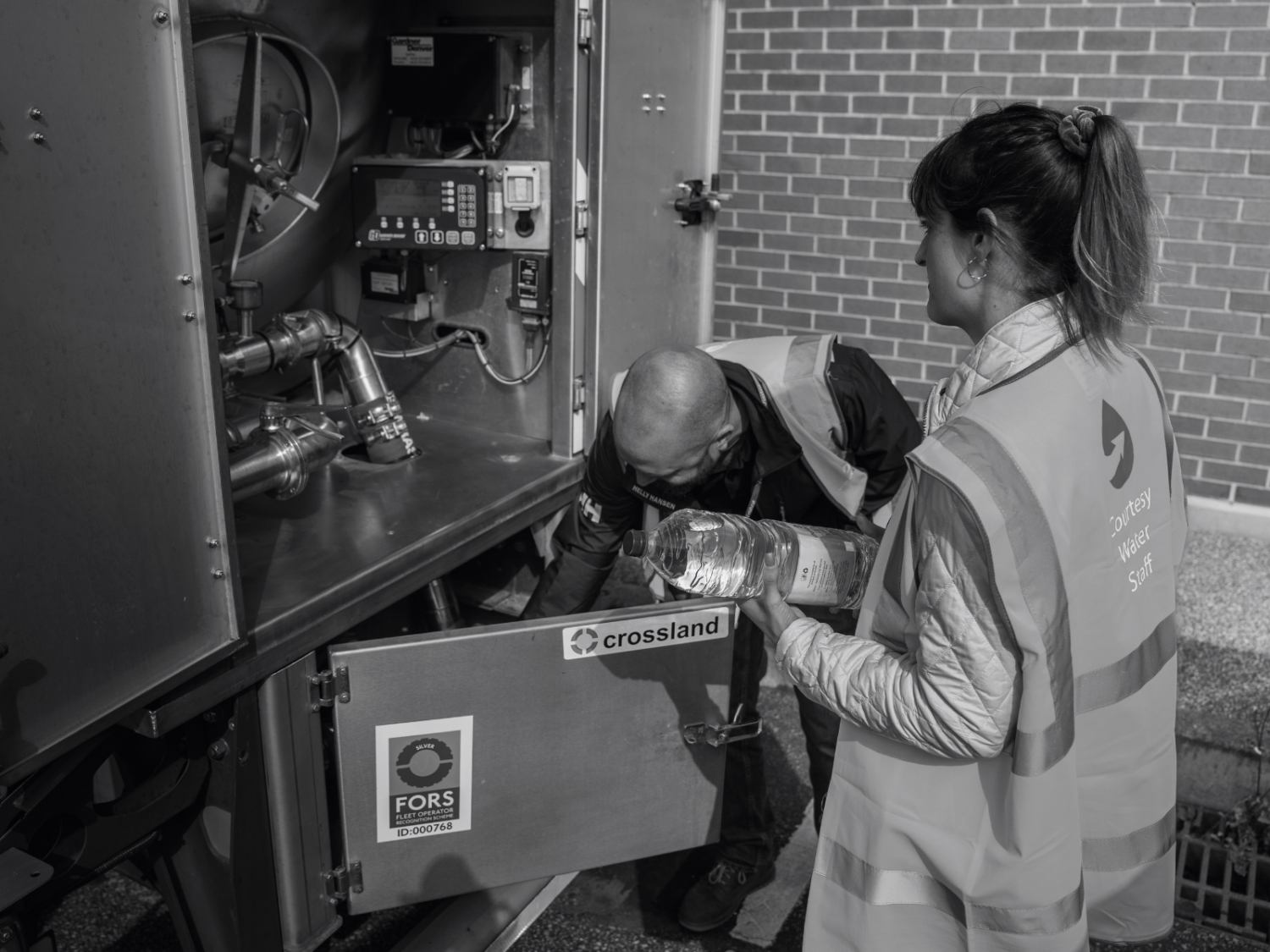
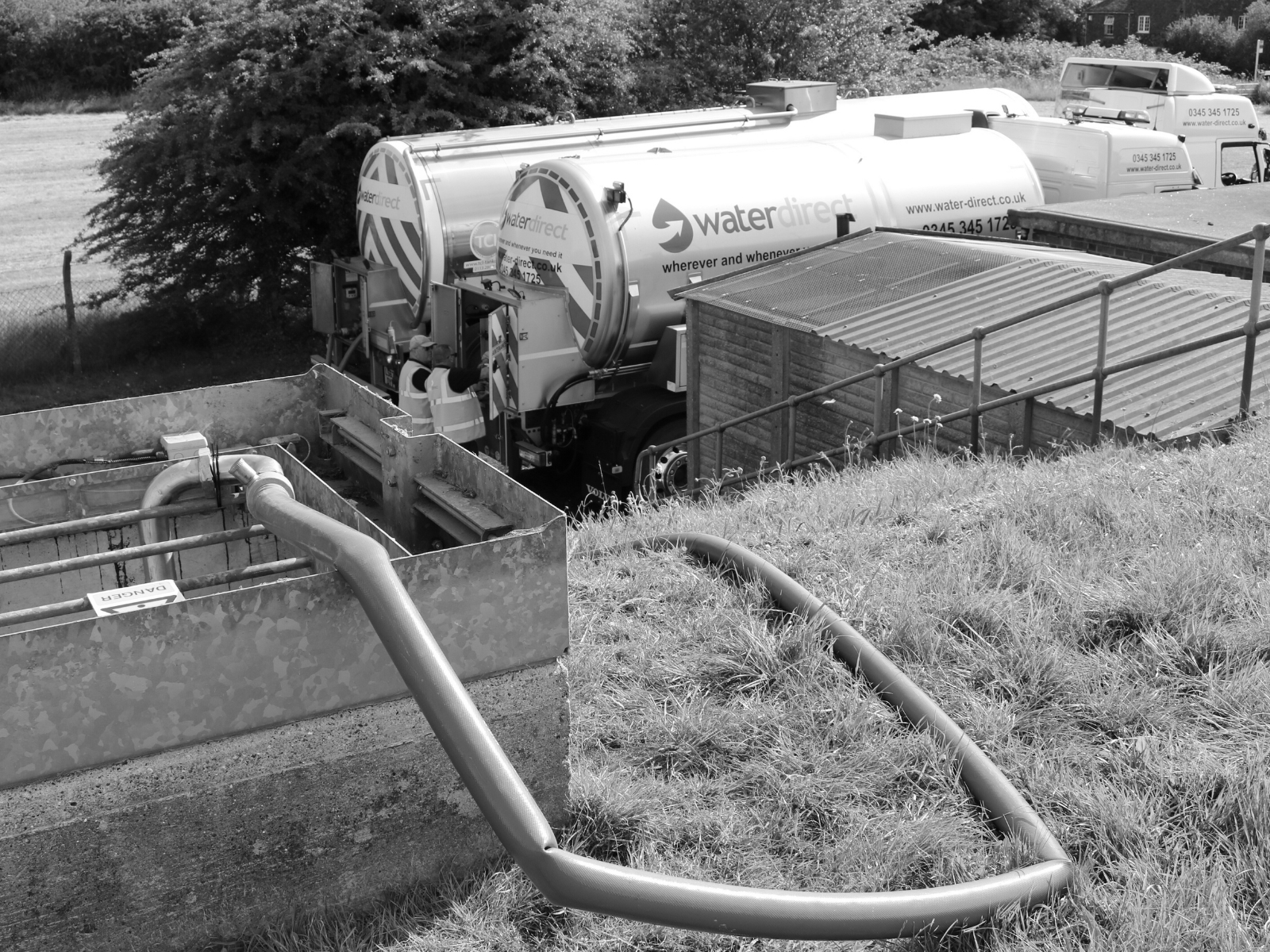
Greater overview of the asset base and an increased level of scrutiny on third parties, like Water Direct, who act on behalf of water supply companies or operate water supply assets are all crucial to improving the end result for customers.
If Defra proceeds with powers for the new regulator to take enforcement action directly against contractors and other third parties operating or working on water supply assets, it should help drive higher, more consistent standards across the supply chain.
For Water Direct, this is welcome. Our work is already built around strong governance and safe, compliant delivery — with documented processes, clear escalation routes and robust operational controls. Tighter expectations around compliance, audit trails and monitoring will further reward providers who can evidence performance, and it will help build confidence for customers and the wider sector that critical services are being delivered to the right standard, every time.
It’s one to watch closely, but the direction of travel aligns with our focus on continuous improvement and accountability — and ultimately supports a more resilient water system.
It’s clear the way forward is not just about investment and reform, but also encouraging everyone to think about water usage and how they can play their part.
So, for the short term at least, it’s imperative we all consider how we or our businesses would be impacted by an outage and how well or quickly we could react.
Share:
Related

Water Direct turns 30
27 Mar 26