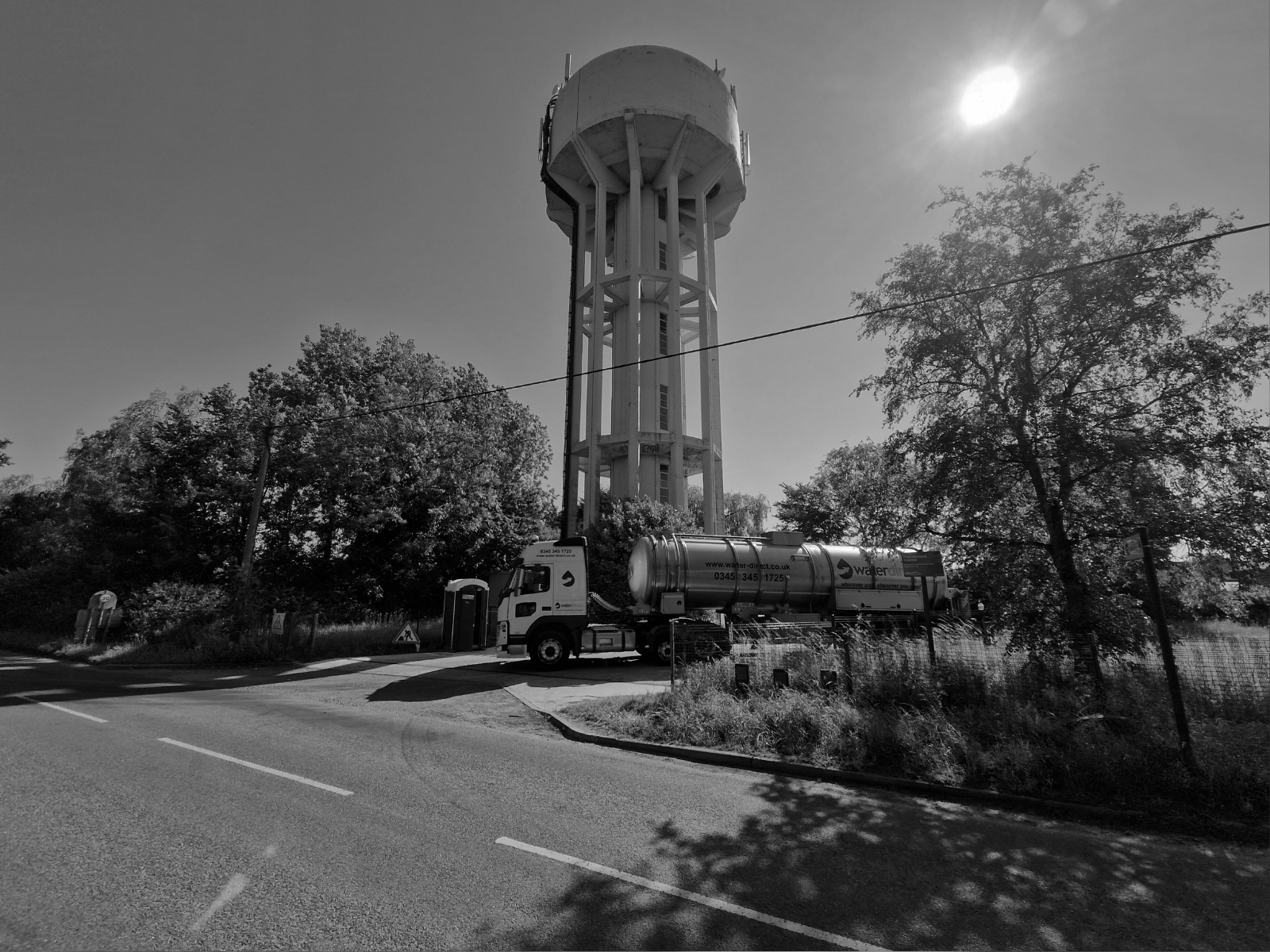
Planning for the unpredictable
Why summer planning starts now
This winter has brought record rainfall across the UK. But for water utilities, high rainfall does not remove the operational risks that summer brings.
Instead, the challenge is shifting. The key issue is no longer simply water availability — it is demand volatility and how quickly consumption can surge when temperatures rise.
Short periods of intense heat, like we’ve been seeing in recent years, can place sudden pressure on networks.
For utilities, the task now is to plan ahead using long-term demand insight and strong operational partnerships to ensure continuity of supply when conditions change rapidly.
Key Insight — Demand volatility is the real risk
Weather patterns are becoming increasingly unpredictable and extreme conditions can appear with very little warning.
Short, sharp spikes in consumption triggered by sudden high temperatures can cause:
- Rapid increases in household water use
- Pressure imbalances across distribution zones
- Treated water struggling to move through the network quickly enough
- Localised supply shortfalls
- Simultaneous demand for emergency resources across multiple utilities
Michael Haworth, Head of Utility Partnerships at Water Direct, explains:
“The climate is unpredictable. So having the strategy in place to deal with what comes is vital, rather than being reaction-based.
“One of the biggest risks is demand volatility and how quickly those pressures shift across the network — short, sharp instances of high temperatures that prevent water moving quickly enough through the network to get to customers.”
Operational Evidence — What we’re seeing across utilities
At Water Direct, we see these pressures play out across the sector during warm weather events.
When demand spikes occur, they rarely affect just one utility. Several companies can experience the same operational pressures within a short timeframe.
Michael said: “We’ve seen the strain on the system when several utility companies contacted us within 48 hours, all needing similar levels of support.
“They hadn’t predicted the demand, but they needed help immediately.
“When multiple utilities request tankers, bottled water, and logistical support at the same time, the impact spreads rapidly across the national supply chain — early planning ensures the capability to react and support when this hits.”
Implications
Historically, emergency response has followed a reactive model.
But this is increasingly risky. Waiting until pressure appears on the network can lead to delayed response, customer outages, regulatory scrutiny, and reputational damage.
Traditional planning models must now move towards predictive resilience planning.
Planning Framework — What utilities should do
Preparing for summer resilience now requires a broader operational framework:
- Analyse long-term demand patterns from previous summers
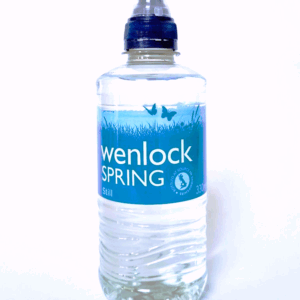
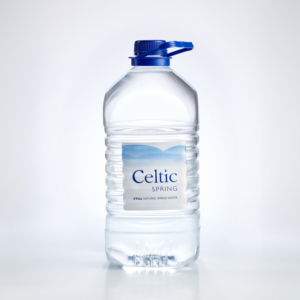
- Align early with supply chain partners for tankers, bottled water, and logistics
- Position critical assets strategically ahead of peak periods
- Plan for nationwide demand, not just local incidents
- Maintain continuous dialogue across the sector
Historical demand data can provide valuable insight, including:
- Previous tanker deployment volumes
- Bottled water distribution trends
- Private water supply demand
- Network response to peak temperatures
These insights help utilities anticipate where pressure points may emerge and plan resources accordingly.
Strategic Takeaway
Summer resilience is no longer just about drought preparedness. In today’s climate, the real challenge isn’t predicting the weather – it’s being ready for whatever it brings.
As Michael summarises: “Summer resilience now means planning for demand volatility, not just drought.
“Know your network, understand your capacity requirements, and work strategically with partners so you’re ready to respond when demand shifts.”
Share:
Related
Planning for the unpredictable
6 Mar 26
Risk map your water resilience
19 Feb 26